

What Is a Helical Gearbox and Why Is It Widely Used in Industrial Applications?
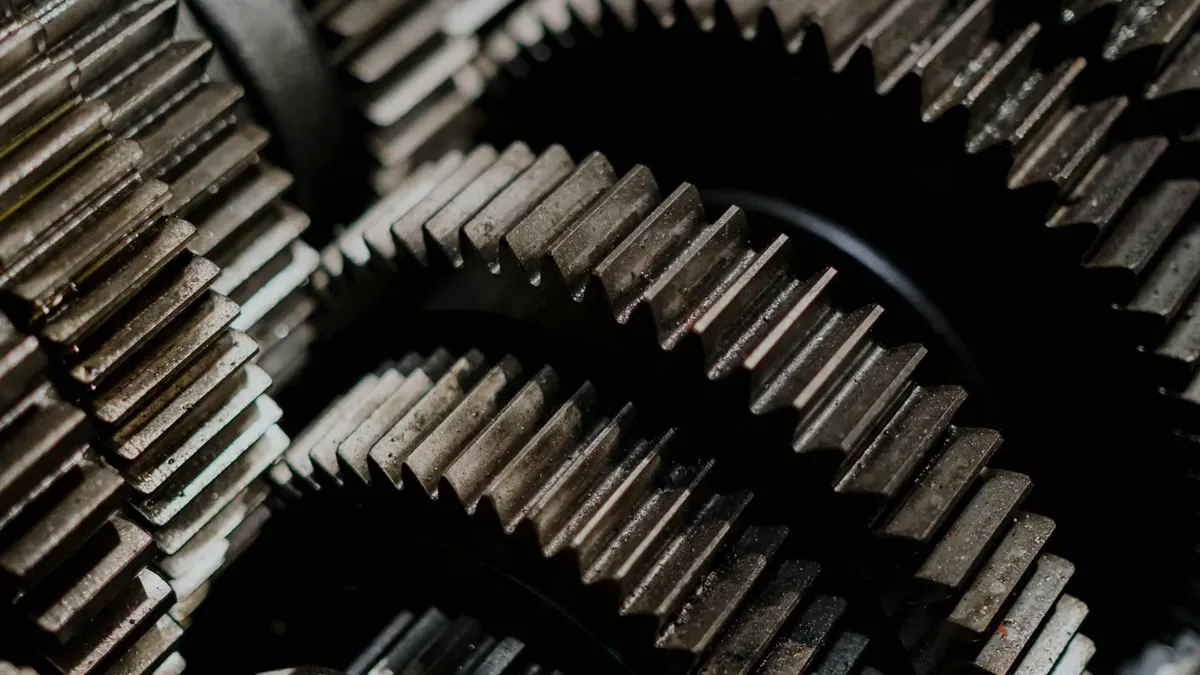
Old straight-cut gear drives make too much noise. They also cause strong shaking and hold less weight. You need a reliable power drive for your factory. A modern helical gearbox fixes these common issues easily. It uses special angled gear teeth to do this. These new power systems offer very smooth gear contact. This makes the machine movement run without any problems. ️
You get great efficiency above 95% today. It stays quiet and holds very heavy loads. This helps with your tough factory jobs.
Key Takeaways
markdown
Angled teeth help helical gearboxes run very smoothly.
They also cut down on loud machine noise.
High efficiency saves power and keeps parts cool.
It usually stays above 95 percent efficiency.
Strong steel parts handle very heavy weight easily.
These tough parts prevent sudden machine breakdowns.
Small modular designs fit into tight spaces.
You can replace old gearboxes with them easily.
What Is a Helical Gearbox and How Does It Work?
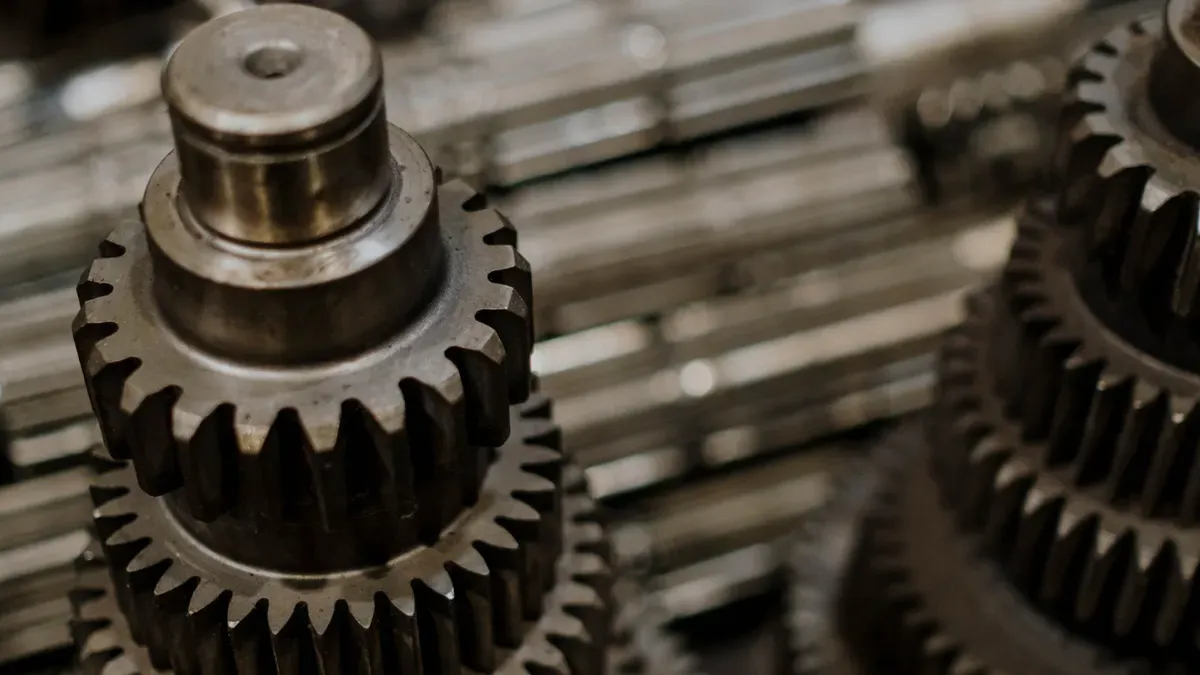
Look inside a helical gearbox to learn it. Straight teeth differ from these gears. Helical gears use slanted teeth at an angle. This slant alters how gear teeth meet. Modern design turns a helical gearbox into a tough drive unit. It handles hard factory jobs easily.
Operational Mechanics of Helical Gears
Angled teeth move power smoothly between shafts. Engineers trust helical gears for heavy industrial tasks. They pick exact helix angles carefully. This balances strength and noise inside the system.
Application | Recommended Helix Angle Range | Primary Design Objective |
|---|---|---|
General Industrial Drive | 15° – 25° | Maximizing Load Capacity |
Precision Robotics | 20° – 35° | Balancing Strength and Smoothness |
Automotive Systems | 30° – 45° | Maximizing Noise Reduction |
Gradual Tooth Engagement vs Instant Impact
Straight teeth crash together all at once. Angled teeth touch slowly across the surface. They start at one edge. Better helical gearbox setups beat old straight systems:
Multiple Tooth Overlap: Two or three tooth pairs share loads. Contact stays steady.
Impact Reduction: Slanted entry cuts gear impact by 40%.
Vibration Control: Smooth contact stops dynamic shocks on shafts.
Axial Thrust Management and Bearing Design
Angled teeth push side forces down shafts. Taper roller bearings catch these side loads. They shield the internal drive parts. You get high efficiency from this drive setup. It also stays very dependable for long periods.
Gear System Type | Peak Efficiency Percentage | Operational Characteristic |
|---|---|---|
Spur Gears | Up to 99% | Direct impact tooth contact |
Helical Gears | 95% – 98% | Smooth progressive tooth contact |
Importance of Helical Gear Boxes in Industry
Busy factories need strong power units. Knowing this value helps you pick right. Big plants use these cool systems daily. They run big machines very smoothly.
High Efficiency and Thermal Stability
New helical bevel gear reducers get high energy efficiency. They hit 95% to 96% rates easily. They roll smoothly without slipping fast. You save a lot of electric power. The inside parts stay cool too.
High efficiency keeps gears cool. It makes oil last much longer.
Factories like power-saving gear setups today. Costs drop fast this way. Oil stays cold during long shifts. This keeps your machine running well.
Superior Torque Capacity and Shock Resistance
Hard factory tasks need big strength. Special 20CrMnTi steel holds heavy loads well. Hard outer steel stops bad wear. The tough inner metal takes big hits easily. Good gear alignment changes load spread a lot. Shaft angles and shaped gear tips work together. This mix makes tooth bending stresses quite even. It also spreads weight along all teeth.
Design Parameter | Influence on Gear Mesh and Load Distribution |
|---|---|
Pressure Angle | It changes touch length and mesh stiffness. |
Helix Angle | It shifts touch length and controls weight. |
Tooth Face Width | It affects total touch length and strength. |
Low Noise Generation at High Speeds
Quiet factory tools keep workers safe now. Fine gear grinding hits DIN 6 safety rules. This stops fast gear noise quickly. Smooth gear entry lowers hard shaking fast. Good helical gearbox tech stays very quiet. Gears spin fast without big sounds.
Good gear alignment brings high system safety. This small helical gear box works very quietly. Slanted helical gears drop loud sounds naturally. Pick a strong helical gear box today. It boosts work and cuts loud noise. Each smart helical gear box prevents bad stops. Great gear tools protect your factory budget well.
Structural Modular Variants of the Helical Gear Box
Changzhou Changyulong Reducer Co., Ltd. offers flexible drive setups. These fit modern manufacturing factories well. You can pick a custom helical gear box easily. It matches any machine setup you need.
Inline Coaxial R Series
You line up input and output shafts together. This inline helical gear box uses angled teeth. It sends out up to 18,000 Nm torque. You get steady power for heavy plant work.
Flexible drive setups let you upgrade machinery fast.
Helical-Worm S Series
This type mixes smooth gears with a worm part. You receive up to 4,000 Nm torque output. It also offers great work efficiency. The smart self-locking safety stops reverse spinning. You protect workers without extra mechanical brakes.
Right-Angle Helical-Bevel K Series
You turn power at a 90-degree angle easily. This system uses high energy efficiency. It handles strong shock loads very well. It outputs up to 50,000 Nm torque. Modern plants use these drives for heavy lifting.
Slim Parallel Shaft F Series
Small spaces can delay machine installation work. The F Series has a flat shape. It fits into tight machine spaces well. Compact gear teeth save valuable floor space. It also keeps high power strength.
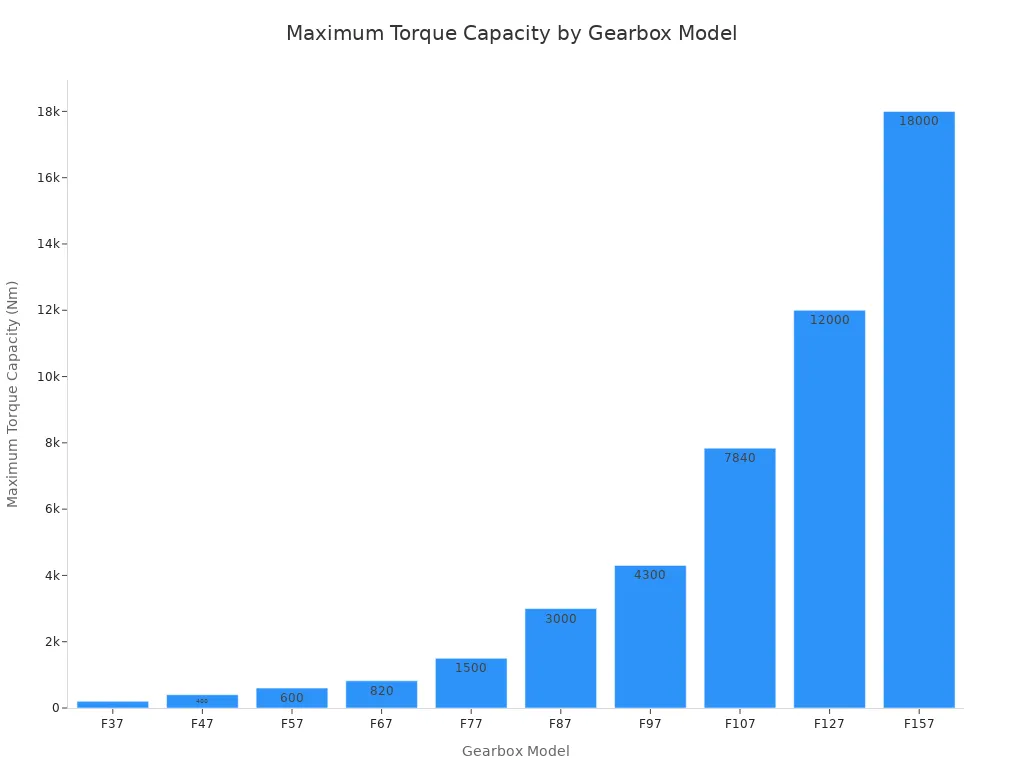
Gearbox Model | Input Power (kW) | Reduction Ratio Range | Maximum Torque Capacity (Nm) |
|---|---|---|---|
F37 | 0.18 – 3.0 | 3.81 – 128.51 | 200 |
F57 | 0.18 – 5.5 | 5.18 – 199.70 | 600 |
F87 | 0.75 – 22.0 | 4.12 – 270.68 | 3,000 |
F157 | 11.0 – 200.0 | 11.92 – 267.43 | 18,000 |
Flexible mounts help each modular helical gear box fit tight spaces quickly.
Key Applications of Modern Helical Gear Boxes
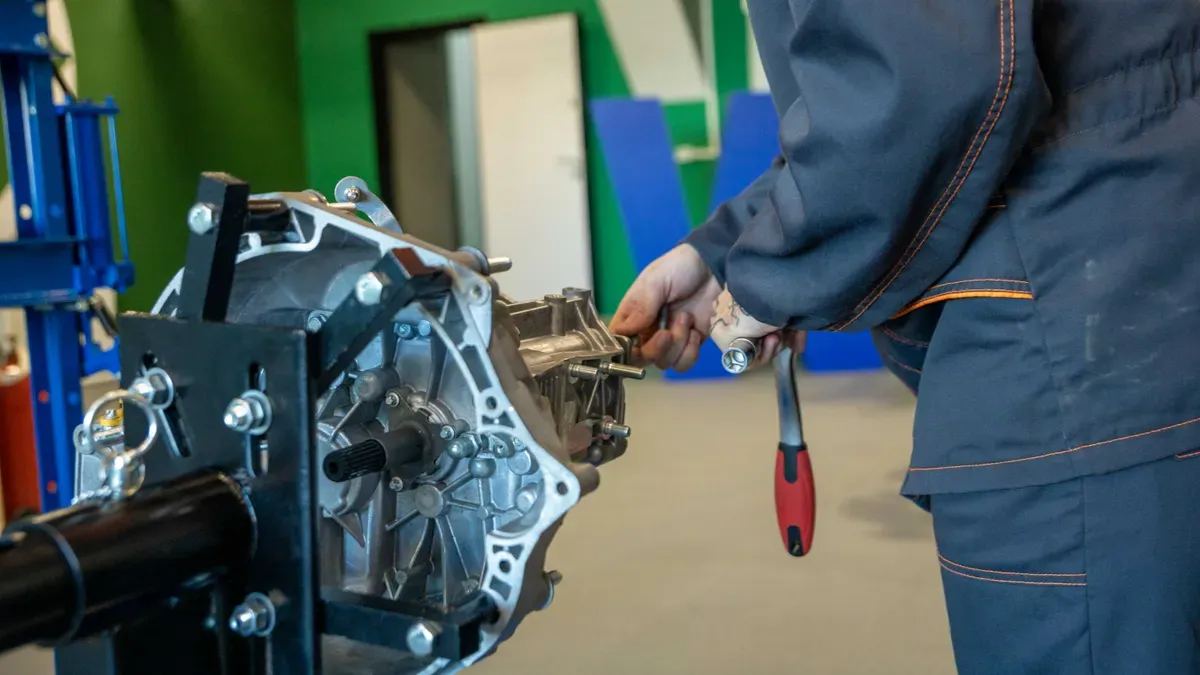
Modern plants need strong drive systems. They use them for non-stop factory work. You see helical gear box setups in big plants today.
Material Handling and Conveyor Systems
Conveyor belts carry heavy materials every single hour. Smooth torque keeps belts running without sudden jerks. Cement plants, mines, and power plants rely on these systems.
Performance Feature | Technical Operational Benefit | Advantage Over Alternative Gearboxes |
|---|---|---|
Energy Efficiency | High power cuts total energy loss. | These beat worm gearboxes at saving power. |
Load Distribution | Slanted teeth share weight over many teeth. | They hold more torque than sudden designs. |
Operating Temperature | Good cooling keeps units very cold. | They suffer less heat stress during work. |
Service Durability | Even gear wear adds to drive life. | They offer better long-term plant reliability. |
Heavy Lifting and Hoisting Equipment
Crane drives need great strength and exact control. A heavy helical gearbox protects your high-value cargo. Slanted teeth spread hard lifting shocks very evenly. You get top safety during tough overhead crane lifts.
Slanted teeth cut machine shocks to protect internal parts.
Industrial Mixing and Process Agitators
Chemical plants turn large mixing paddles day and night. Smooth helical gears cut friction to save money. Strong power flow keeps drive heat quite low. You avoid frequent oil changes in busy plants.
Smooth Torque Delivery: Gentle tooth contact stops bad machine vibration.
Optimized Thermal Performance: Low heat keeps the oil fresh longer.
Extended Component Longevity: Even wear cuts your normal repair costs.
Automated Packaging Lines
Fast factories need quick starts and stops. You get quiet drives on busy assembly lines. Precision gear teeth prevent costly machine jams. You increase factory output while keeping noise low.
Angled helical gears help big factories work better. They run very quietly. They also last for a long time. These gears transfer power with great smoothness. Machines become much more reliable.
Pick the best helical gear box for your needs.
Check key details when you shop:
Total gear ratio and needed torque limits
Shaft directions and overall box size
Custom gear flange fittings like NEMA or IEC
ISO 9001:2015 drive tools safeguard your factory lines. Every helical gearbox gets strict load tests. Inspectors perform careful leak checks on all parts. You get top performance from every single unit.
FAQ
What makes a helical gearbox more efficient than a worm drive?
Helical gears roll together smoothly. They do not slide fast. This smart design cuts internal friction. You get efficiency over 95%. Your machine saves electric power easily. It creates less heat during work.
How do you select the right helical gear box model for your application?
First, check required torque and speed. Also, review your shaft direction.
Calculate your total gear ratio carefully. Next, pick an inline model. You can choose right-angle designs too. Slim parallel shapes fit tight spaces well. This guarantees a perfect fit.
Why do angled gear teeth create less noise at high speeds?
Slanted teeth meet slowly across surfaces. They stop sharp impacts from straight teeth. Many teeth share the weight continuously. This smooth contact cuts bad vibration. It keeps your factory very quiet.
Can you replace an old gear reducer without modifying your machinery?
Yes! You can order modular drive units. Pick custom NEMA or IEC flanges. Makers offer matching shaft sizes easily. Mountings match your old setup directly. This quick swap stops long downtime.