

Helical vs Worm Gearboxes - Differences, Advantages, and Applications
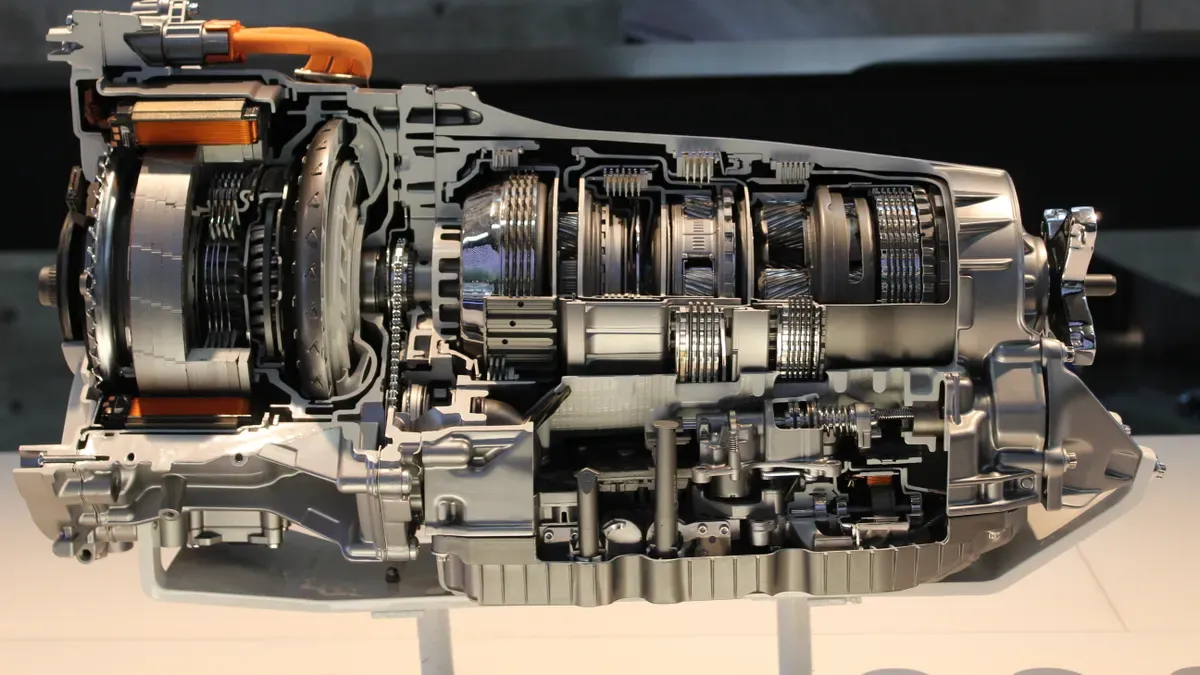
Which gearbox type gives the best performance for your job? Engineers ask this question every day. The choice affects efficiency, cost, and reliability. Helical gearboxes have high efficiency, often 92 to 97 percent per stage, because they use rolling contact. Worm units use sliding contact, which creates more friction and lowers efficiency to 50 to 90 percent. However, these reducers cost less upfront, making them attractive for low-horsepower jobs. Helical units give better value over their lifetime, even though they cost more at first. This guide explains these differences clearly, including when a helical worm gearbox might be a good fit. Readers will learn how each type works, its strengths, and typical uses. The goal is to help buyers make smart choices.
Key Takeaways
Helical gearboxes are very efficient (94-98%) and can handle heavy loads, so they work great for nonstop use.
Worm gearboxes offer high reduction ratios and self-locking in a small design, but they work less efficiently and create more heat.
Use a worm gearbox for light jobs that happen now and then, or for lifting things straight up. Pick a helical gearbox for steady, heavy-power work that runs nonstop.
Think about long-term costs: helical gearboxes save energy, making up for their higher initial price.
A helical worm gearbox mixes both kinds to balance efficiency, small size, and high reduction ratios.
Helical Gearboxes: Design and Benefits
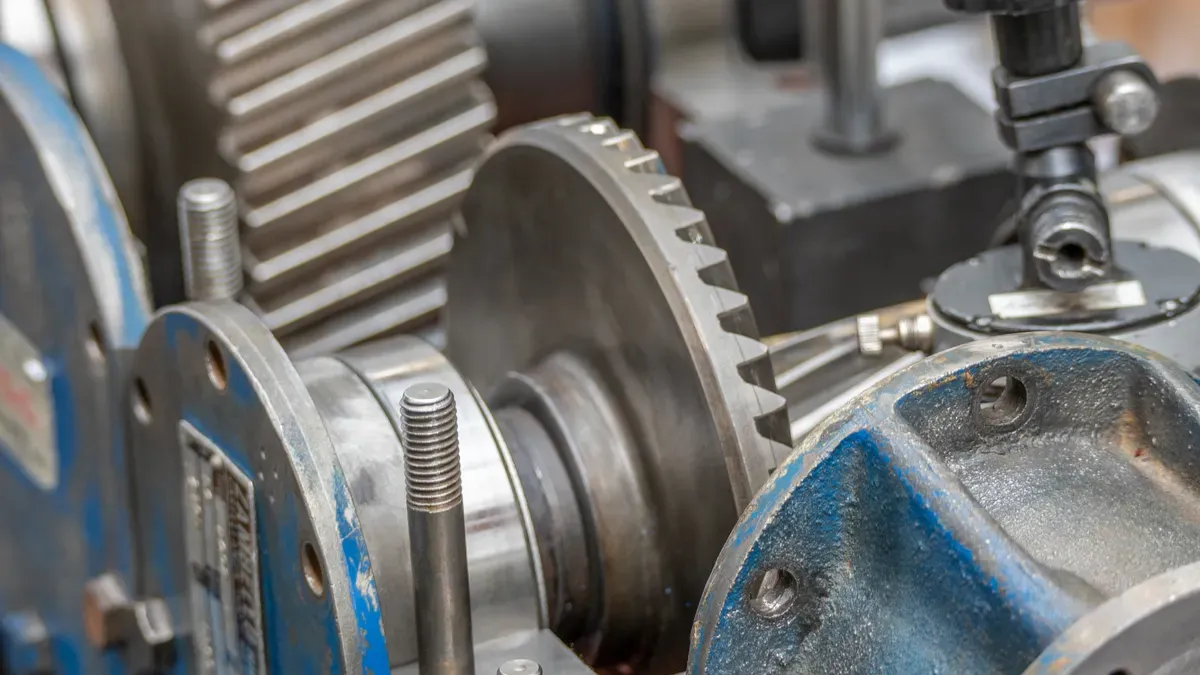
How Helical Gears Achieve Smooth Operation
Helical gears work more smoothly than spur gears because their teeth are cut at an angle, usually 20° to 25°. This angled cut makes the teeth touch each other slowly, not all at once. The load moves step by step along the tooth face. This lowers the shock forces. So the helical gearbox runs quieter and smoother.
The contact ratio of helical gears is over 2.0. That means at least two pairs of teeth are always sharing the load. Spur gears have a contact ratio of 1.2 to 1.6. A higher contact ratio spreads the stress over more teeth. This lowers the changes in mesh stiffness. The result is smoother torque transfer and less shaking. A study by SAE found that helical gears are 6 to 6.5 dB quieter than spur gears. NASA tests confirmed that overlapping contact cuts down on impulse forces. Helical gears produce 10 to 20 dB less noise than spur gear systems. Spur gears often go over 80 dB at high speeds. Helical gears run quietly above 3,000 RPM. CYL Reducer’s helical gearboxes achieve DIN 6 gear accuracy using CNC grinding. This precision further lowers noise and ensures smooth power transmission.
Key Advantages: Efficiency and Load Capacity
Helical gearboxes give high efficiency. Helical inline units reach up to 98.5% efficiency per stage. Helical-bevel units hit 93% to 97% per stage. This higher efficiency means less energy is lost as heat. For jobs that run all the time, this energy efficiency cuts operating costs. The gearbox runs cooler and lasts longer.
The high contact ratio also improves load capacity. Many teeth engage at the same time, spreading the load over several contact points. This lowers the stress on each tooth. The gearbox can handle more torque without wearing out early. CYL Reducer’s helical gearboxes offer torque ratings up to 50,000 Nm. They use 20CrMnTi alloy steel, case-hardened to 58 to 62 HRC. This material gives great durability and a long life. Every unit gets 100% load testing before shipping. This makes sure the gearbox meets performance specs. The dependability of these gear reducers makes them perfect for material handling, packaging, and other continuous-duty jobs. The mix of higher efficiency, better torque handling, and smooth operation makes helical gearboxes a smart pick for tough machinery.
Worm Gearboxes: Design and Benefits
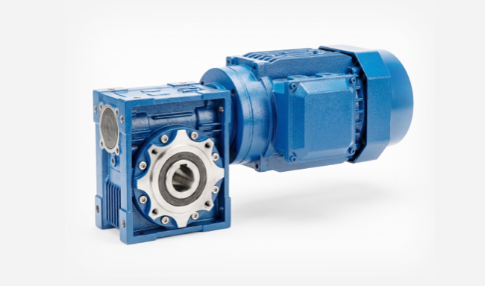
Worm gearboxes use a special design that gives high reduction ratios in just one stage.
How Worm Gears Provide High Reduction Ratios
A single-start worm has one thread. This design lets one worm stage reach large ratios. The ratio equals the worm wheel teeth count divided by the worm starts count. A single-stage worm gearbox can hit ratios from 5:1 to 100:1. At the top end, efficiency falls to 45–55%. Getting rid of heat becomes a problem. Multi-start worms have several threads. They run smoother and work better but give lower reduction ratios. The starts count also changes the lead angle. Single-start worms have a small lead angle, which allows self-locking.
CYL Reducer’s worm gear reducers use hardened alloy steel worms and tin bronze worm wheels. This mix gives wear resistance and a long life. The gear reducers come with many ratio choices. This design helps machines that need high reduction ratios.
Key Advantages: Self-Locking and Compact Design
Self-locking stops back-driving. This happens when the friction angle is bigger than the lead angle. For example, a worm with a 5° lead angle and a 0.13 friction coefficient gives a 7.4° friction angle. Since 7.4° > 5°, the gear set locks itself. This removes the need for external brakes. The gearbox saves space and cuts costs. This feature matters for vertical lifting jobs like hoists and jacks.
The compact design of worm gearboxes comes from a few features. The 90-degree output shaft direction allows direct vertical lifting. The under-driven design shortens the total length. The gearbox packs high torque multiplication and self-locking into one unit. CYL Reducer’s worm gear reducers offer extended screw lengths up to 6,000 mm. They give modular input and output choices. The gear reducers work with global NEMA, IEC, and servo motor standards. This flexibility makes adding them to existing machines easy. These worm gear reducers handle heavy loads with a small footprint. The self-locking safety and small size fit tight spaces. These worm gearboxes suit uses like food packaging, heavy lifting platforms, and stage systems.
Helical vs Worm Gearboxes: Key Differences
Efficiency, Heat, and Torque Capacity
The biggest difference between these two gearbox types shows up in efficiency and heat control. Helical gearboxes reach 94–98% efficiency per stage because their teeth meet slowly with rolling contact. Worm gearboxes run at 50–90% efficiency, based on ratio, lubrication, and load. Higher ratios push worm efficiency toward the lower end of that range. This efficiency gap directly affects running costs for jobs that run all the time.
Aspect | Helical Gearbox | Worm Gearbox |
|---|---|---|
Efficiency | 90–98% per stage | 50–90% depending on ratio and load |
Heat Generation | Low to moderate (rolling contact) | High at higher ratios (sliding contact) |
Torque Capacity | High (multiple teeth share the load) | Moderate (better for lighter loads) |
Thermal Loss | 2–5% of input power | 15–30% higher; up to 30–50% in high-ratio configs |
The sliding contact in worm gearboxes creates a lot of frictional heat. Thermal losses can hit 30–50% of input power in high-ratio setups, causing hot spots above 100°C. This heat breaks down lubricant, causes parts to expand, and speeds up wear. Helical gearboxes lose only 2–5% of power to heat from rolling resistance and oil churning, keeping temperatures lower and making heat control easier.
Torque capacity follows the same pattern. Helical gearboxes spread loads across several teeth at once, so they can handle higher torque and shock loads. A helical unit works better for jobs needing 10HP at a 30:1 ratio. Worm gearboxes have fewer teeth in contact, so they can only handle lighter or occasional loads. The cost difference shows this capability gap. At a 10:1 ratio, a worm gearbox costs about $840 less than a similar helical unit. But the payback time for the helical unit goes beyond 200,000 hours at that ratio. At 30:1, the payback period drops to 48,000 hours, making helical gearboxes more cost-effective for continuous use.
Speed Reduction, Noise, and Self-Locking
Worm gearboxes shine at speed reduction in one stage. A single-start worm can reach ratios from 5:1 to 100:1, though efficiency drops to 40–50% at the top end. Double-start worms hit 70–78% efficiency, while multi-start designs reach 78–92%. Helical gearboxes usually need multiple stages to match these reduction ratios, which adds length and cost.
Noise levels also differ a lot. Helical gearboxes make 65–78 dB under load, which counts as very low noise. Worm gearboxes make moderate noise from the gear joint. The smooth, overlapping tooth contact of helical gearboxes makes them the better pick for low-noise places like hospitals, labs, and food processing plants.
Self-locking capability sets worm gearboxes apart. When the friction angle is bigger than the lead angle, the gear set stops back-driving. This feature helps with vertical lifting, gates, and inclined conveyors. But self-locking should not replace a real brake system.
A self-locking worm gearbox should not replace a dedicated brake. Shock loads, vibration, wear, and lubrication changes can break static friction. If a load can hurt someone or damage equipment, an external fail-safe brake is required. This applies especially to hoists, cranes, vertical lifts, suspended load systems, and inclined conveyors with heavy product. The gearbox and brake work together: one supports motion control, the other supports load security.
For jobs needing both high efficiency and high reduction, a helical worm gearbox combines a helical stage with a worm stage. This hybrid design gives better energy efficiency than a pure worm unit while keeping compact size. CYL Reducer's worm gear reducers offer self-locking safety and modular options, while their helical gearboxes provide high torque and reliability for continuous duty. The detailed comparison above helps engineers pick the right gearbox for their specific machine needs.
Choosing the Right Gearbox for Your Application
Duty Cycle, Space, and Lifecycle Cost
Picking the right gearbox starts with knowing your duty cycle. A worm gearbox works well for intermittent or light-to-medium jobs. Smaller conveyors, gates, feeders, and packaging equipment run fine with this type. The lower upfront cost makes worm gearboxes appealing for these tasks. But continuous-duty operations need a different approach. Production conveyors, processing equipment, and material handling systems run for thousands of hours each year. These applications need the higher efficiency of helical gearboxes.
The lifecycle cost comparison shows a clear pattern. A worm gearbox costs less at first. But the operating cost tells another story. Think about a 100 hp application running all the time. A helical gearbox runs at 95% efficiency. A worm gearbox runs at 65% efficiency. The worm unit wastes more energy as heat. At an electricity rate of $0.05 per kWh, the annual energy cost difference tops $15,000. Over several years, this gap grows a lot. The helical gearbox pays back its higher initial cost through energy savings alone.
Space limits also affect gearbox choice. Worm gearboxes offer a compact right-angle design. This setup fits tight spaces where inline units cannot go. The self-locking feature adds safety for vertical lifting without extra brake hardware. Helical gearboxes need more room but deliver higher torque capacity. A helical bevel gearbox provides right-angle power transmission with better efficiency than a worm unit. Engineers must balance the space available against the performance needed.
Thermal rating matters more than mechanical horsepower for worm gearboxes. Sliding contact generates significant heat. Continuous-duty operation can cause overheating if the unit is too small. Lubricant breaks down, seals fail, and service life shortens. A light-duty conveyor in a packaging plant may run continuously with a properly selected worm gearbox. A high-horsepower mining conveyor would require a helical or bevel helical unit instead. The duty cycle determines which gearbox can survive the application.
Helical Worm Gearbox Applications
Some applications need both high efficiency and high reduction ratios. A helical worm gearbox combines a helical stage with a worm stage. This hybrid design delivers the best of both worlds. For a 50:1 ratio, an all-helical gearbox needs three gear sets and four bearing sets. A helical worm gearbox achieves the same ratio with two gear sets and two to three bearing sets. The efficiency stays nearly the same at 88% versus 90%. The shock load capacity improves significantly from 200% to 300%. This combination yields a more compact, robust, and cost-effective solution.
Industrial and agricultural vehicles benefit from helical worm gearbox technology. The high torque capabilities make these units ideal for demanding tasks. Heavy-duty machinery requires reliable power transmission under harsh conditions. The helical worm gearbox delivers that reliability while keeping reasonable efficiency. CYL Reducer provides customized solutions for such needs. Their engineering team can design a helical worm gearbox to match specific ratio and torque requirements.
The gearbox selection process should consider several critical questions. What torque and efficiency does the application require? Is self-locking an advantage? What is the expected service life? How critical are energy efficiency and noise reduction? Environmental conditions also matter. Heat, dust, vibration, and moisture all affect gearbox performance. A worm gearbox works well for cost-sensitive, lighter-duty applications. A helical design proves superior when efficiency, reliability, and sustainability are priorities.
CYL Reducer offers factory-direct pricing and engineering support. This approach reduces total cost of ownership. Their worm gear reducers provide self-locking safety and modular options. Their helical gearboxes deliver high torque and reliability for continuous duty. The right choice depends on the specific operational requirements. Engineers should evaluate duty cycle, space constraints, and lifecycle costs before deciding. CYL Reducer's experts can help match the optimal gear solutions to each application. Their team ensures the gearbox selection aligns with the machinery's actual demands.
Helical gearboxes keep 94% to 98% of input energy and shed heat quickly. They work well for continuous-duty machinery. Worm gearboxes trap heat inside the housing. A worm gearbox's efficiency falls from 85%–90% at low ratios to 50%–60% at high ratios. However, worm gearboxes reach high single-stage reduction in small spaces. The right choice depends on the specific use. Engineers should ask a reliable manufacturer to check load, torque, and duty cycle. This step-by-step process turns needs into a clear gearbox specification. CYL Reducer's experts help match the best gear solutions to each need. Readers can look at product specs on the website for more details.
FAQ
When does a helical gearbox outperform a worm gearbox?
A helical unit works best for jobs that run all the time. It gives better efficiency and can handle more torque. A worm type fits jobs that run now and then or need vertical lifting. The right pick depends on how often you use it and how much space you have.
Can a self-locking worm reducer replace a mechanical brake?
No. Self-locking relies on friction to hold the load. Sudden shocks or shaking can break that friction. A fail-safe brake is still needed for hoists and vertical lifts. Safety means using both parts together.
What is a helical worm gearbox?
A helical worm unit joins a helical stage with a worm stage. This mixed design gives better efficiency than a worm-only model. It also keeps a small size and a high reduction ratio.
What factors affect the lifecycle cost of a reducer?
Initial price, energy use, and upkeep all matter. A helical unit costs more at first. It saves money on energy over time. A worm reducer costs less upfront but costs more to run.